News + Blog
Pride Month with Artists Rights Society
SUBMIT REQUEST FOR LGBTQ+ ARTIST LICENSE | Join our mailing list to learn more about licensing artwork
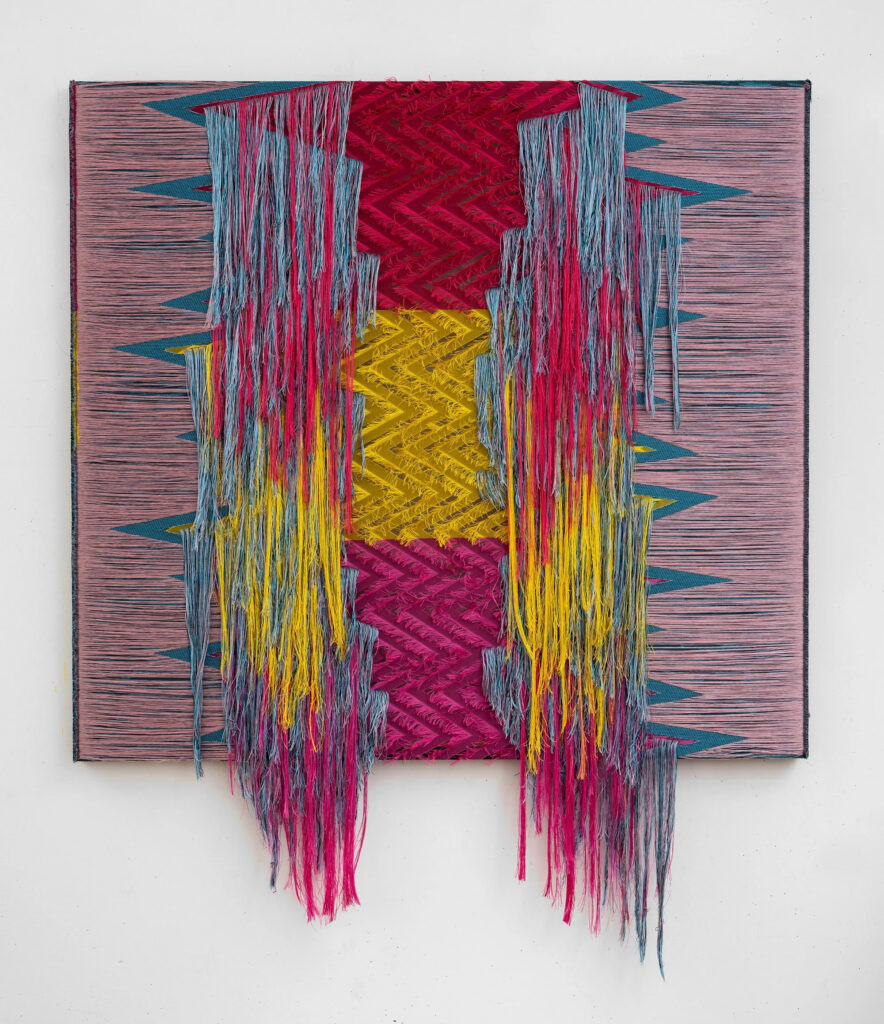
Liz Collins, Spring (2025) © 2026 Liz Collins / Artists Rights Society (ARS), New York
At Artists Rights Society, we are proud to represent a wide-ranging community of artists whose work reflects the complexity of human experience. Among them are many LGBTQ+ artists whose practices engage deeply with questions of identity, visibility, intimacy, and community. Looking ahead to Pride Month in June, there is an opportunity not only to celebrate these artists, but also to highlight the meaningful role licensing can play in bringing their work to wider audiences.
For brands, museums, and cultural organizations alike, licensing artwork by LGBTQ+ artists offers a thoughtful way to engage with Pride programming while supporting artists and their estates. Whether incorporated into exhibitions, product design, or novels, licensed artwork can create powerful storytelling that resonates with audiences and amplifies queer perspectives.
For Brands
Brands can thoughtfully incorporate LGBTQ+ artwork into seasonal campaigns and product initiatives.
- Design Pride-themed email newsletters featuring licensed artworks as graphic elements, headers, or backgrounds.
- Highlight LGBTQ+ artists through social media features that introduce their work and artistic perspectives.
- Create limited-edition Pride collections—such as apparel, accessories, or home goods—that feature licensed artwork.
- Reimagine product packaging with artwork that celebrates LGBTQ+ creativity and culture.
For Museums and Cultural Institutions
Museums and nonprofit organizations can also use licensed artwork to deepen engagement with Pride programming.
- Feature LGBTQ+ artists in Pride-themed newsletters or digital exhibitions.
- Spotlight a “Pride Artist of the Week” across email and social media platforms.
- Collaborate with artists on social media takeovers that offer insight into their creative practices.
- Develop Pride-related merchandise featuring licensed artworks from LGBTQ+ artists.
- Offer limited-edition prints that highlight artists’ contributions to queer cultural history.
- Incorporate licensed artwork into promotional materials for Pride events and programs.
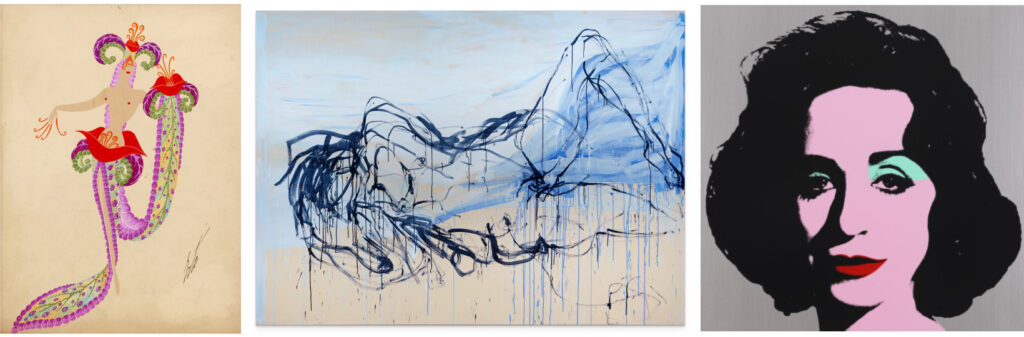
(Left to Right) Erté, Les fleurs du mal from (1940). © Chalk & Vermilion LLC / Artists Rights Society (ARS) New York; Tracey Emin, I needed you to love Me (2023) © Tracey Emin. All rights reserved, DACS, London / Artists Rights Society (ARS), New York 2026; Deborah Kass, Silver Deb (2000) © 2026 Deborah Kass / Artists Rights Society (ARS), New York
Over the decades, the rainbow flag has become one of the most recognizable visual symbols associated with LGBTQ+ identity and solidarity. These rainbow-themed artworks highlight how artists have interpreted this symbol across a range of styles and media and participated in amplifying this message.
While the rainbow remains an enduring emblem of Pride, LGBTQ+ artistic expression extends far beyond a single symbol. The artists represented by ARS reflect a broad range of voices, histories, and perspectives that continue to shape contemporary culture.
Below are just a few artists from the ARS roster whose work engages with themes of queer identity, community, and representation.
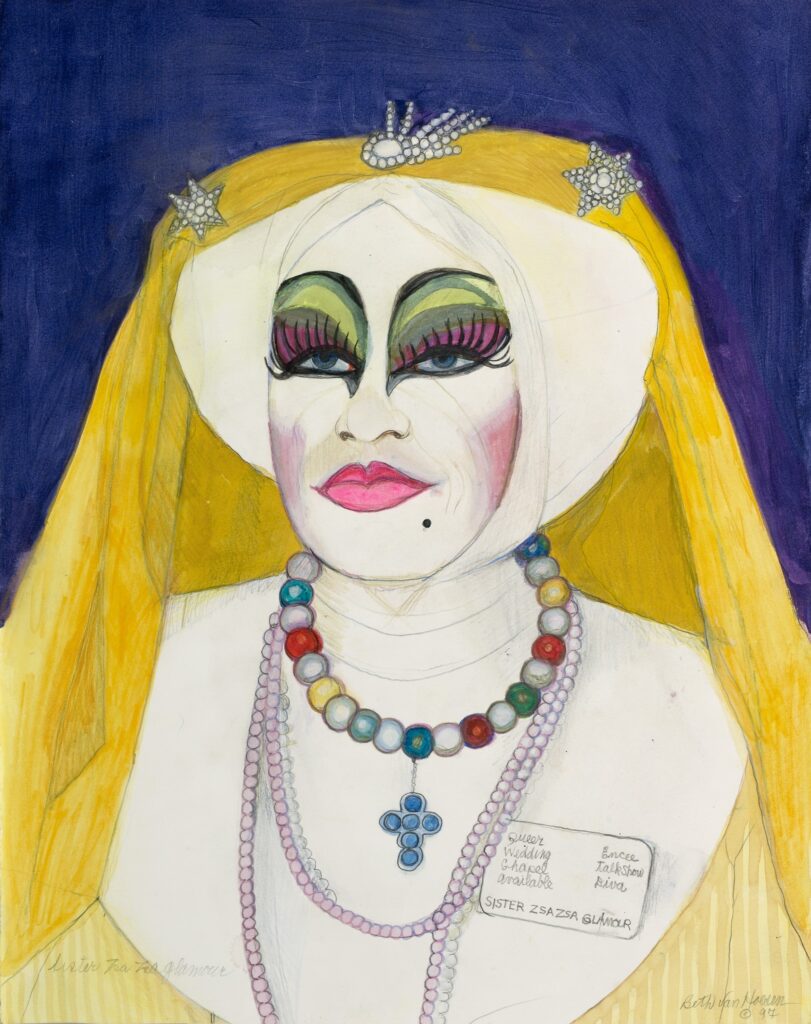
Beth Van Hoesen, Sister Zsa Zsa Glamour (1997) © 2026 The E. Mark Adams and Beth Van Hoesen Adams Trust / Artists Rights Society (ARS), New York
Beth Van Hoesen’s art is a deeply personal reflection of her life in the Castro, where she lived for over four decades. Her intimate portraits of the LGBTQ+ community, including the iconic Sisters of Perpetual Indulgence, an order of queer and trans nuns, capture the vibrant personalities and unique blend of humor, activism, and creativity that defined the neighborhood.
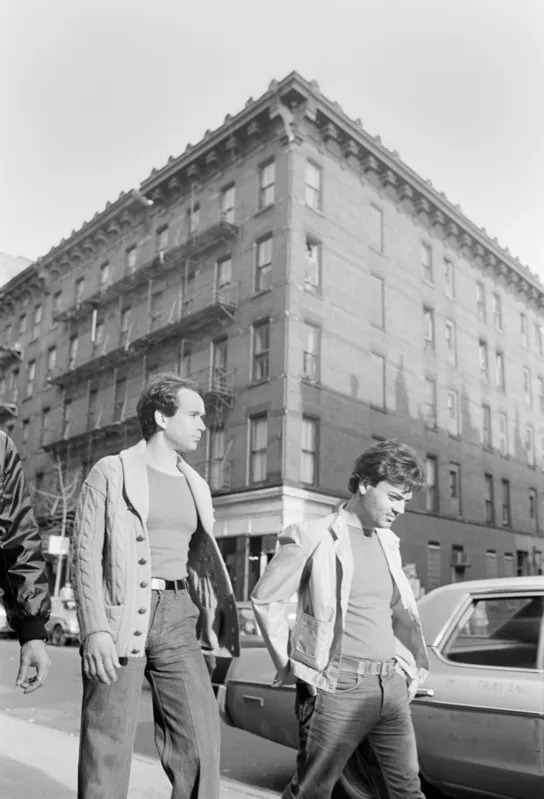
Sunil Gupta, Untitled #38 from the series Christopher Street (1976) © 2026 Artists Rights Society (ARS), New York / DACS, London
Photographer Sunil Gupta has spent decades documenting LGBTQ+ life across multiple continents. Born in India and based for many years in London, Gupta has created bodies of work that explore sexuality, diaspora, and the politics of visibility. His early series Christopher Street captured scenes from gay life in New York City during the 1970s, offering an important visual record of a community asserting its presence in the years following the Stonewall uprising.
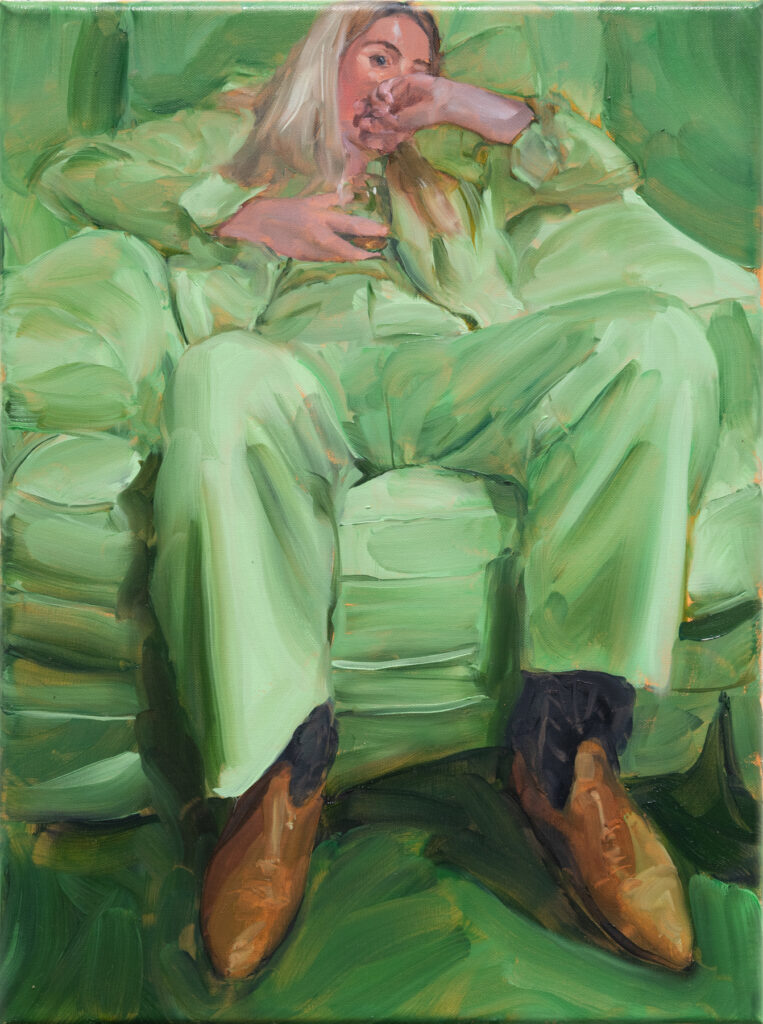
Jenna Gribbon, Admiration for the way she occupies a chair (2022) © 2026 Jenna Gribbon / Artists Rights Society (ARS), New York
Painter Jenna Gribbon is known for intimate portrayals of queer relationships and domestic life. Her compositions often focus on moments of closeness between partners, emphasizing gesture, gaze, and emotional presence. By centering queer relationships within the language of figurative painting, Gribbon creates work that foregrounds tenderness and everyday intimacy—subjects that historically have been underrepresented in art history.
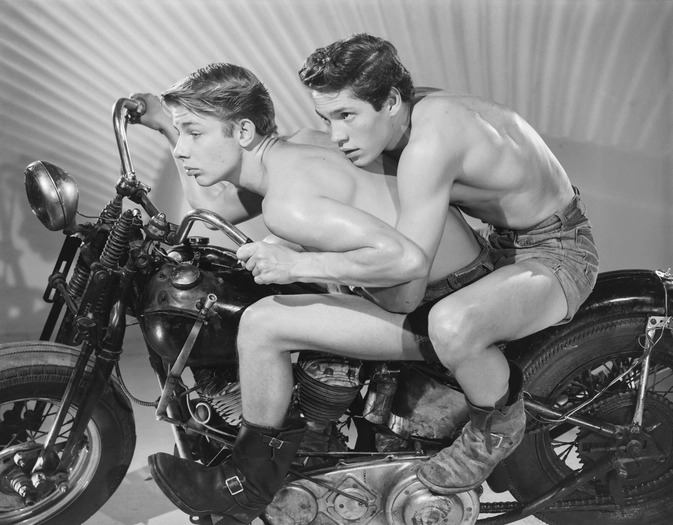
Bob Mizer, David Stubbs and David McCrady (on cycle in boots), Los Angeles (1961). © 2026 The Estate of Bob Mizer / Artists Rights Society (ARS), New York
Beginning in the mid-twentieth century, photographer Bob Mizer produced a vast archive of images that celebrated the male physique. Through his magazine Physique Pictorial, launched in 1951, Mizer circulated photographs that subtly challenged the censorship and social restrictions surrounding homoerotic imagery in the United States. His work blends glamour, humor, and theatricality while also documenting an important chapter in the visual culture of queer identity.
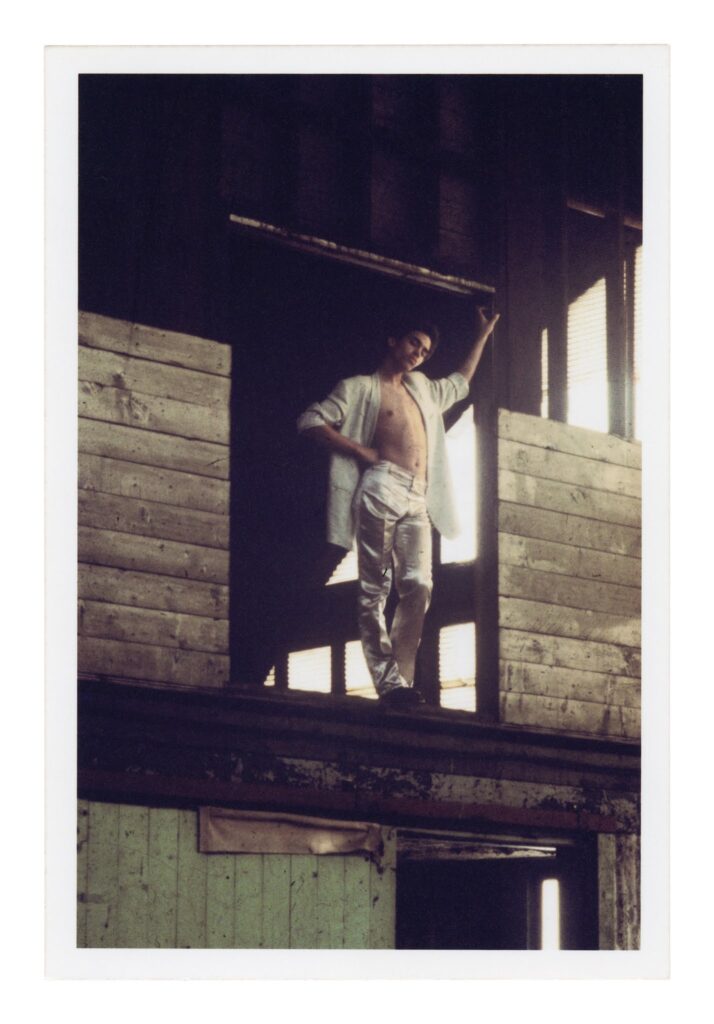
Alvin Baltrop, The Piers (man on second level of warehouse) (1975-1986) © 2026 The Alvin Baltrop Trust / Artists Rights Society (ARS), New York
Alvin Baltrop’s photography offers a compelling record of life along Manhattan’s West Side piers during the 1970s and 1980s. At a time when the abandoned waterfront had become a gathering place for artists, activists, and members of the queer community, Baltrop documented the landscape with striking honesty. His images capture both the architecture of the decaying piers and the people who inhabited them, preserving an important visual history of queer life in New York City during a period of cultural transformation.
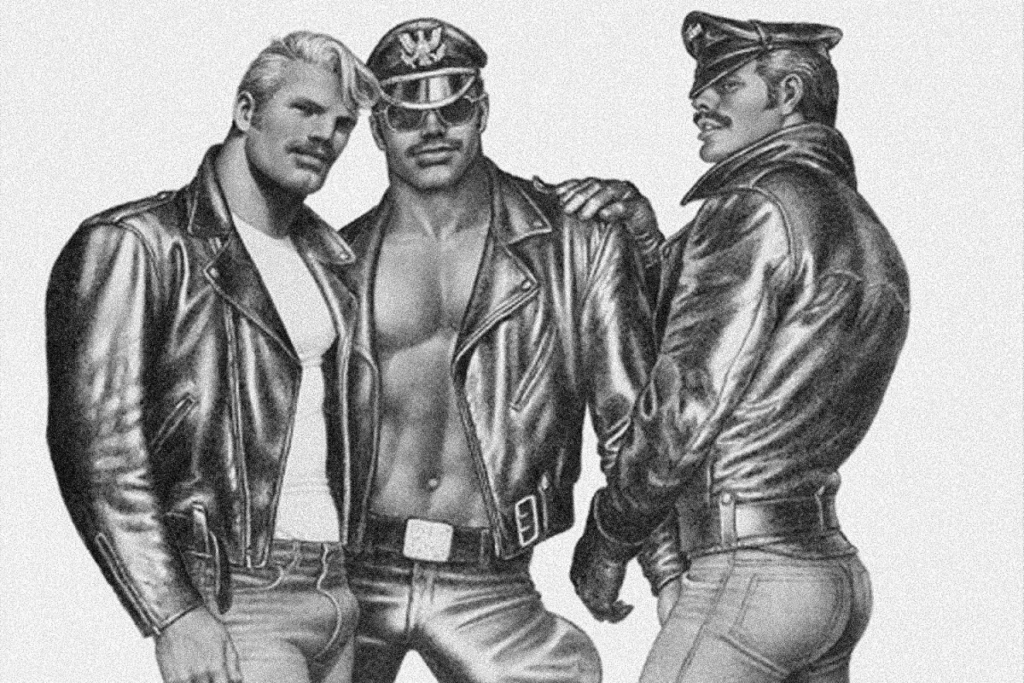
Tom of Finland, Untitled from Sex on a Train (1974). © 2024 Tom of Finland Foundation / Artists Rights Society (ARS), New York
The Finnish artist known as Tom of Finland reshaped the visual language of queer culture through his highly stylized drawings of confident, hyper-masculine figures. His illustrations—often featuring sailors, bikers, and leather-clad characters—became iconic images within the international gay community. By portraying gay men with pride and self-assurance, Tom of Finland’s work offered an empowering alternative to the stereotypes that dominated mid-century representations of homosexuality.
Art has long served as a powerful vehicle for visibility, connection, and cultural memory. By licensing works from LGBTQ+ artists, organizations can help bring these perspectives into new contexts—from editorial campaigns and digital media to products and exhibitions.
To learn more about licensing opportunities, contact Artists Rights Society and explore ways to collaborate with artists whose work continues to shape conversations around identity, creativity, and community.
Join us in spreading the love for Pride Month and beyond! Email Artists Rights Society at info@arsny.com for licensing options.
SUBMIT REQUEST FOR LGBTQ+ ARTIST LICENSE | Join our mailing list to learn more about licensing artwork